St Ronan's Well stands at the crossroads of landscape, ritual, history, and human memory. For centuries, this place has been part of local spiritual practice, healing traditions, literary imagination, and communal celebration.
Its legacy is not the story of a single event or person, but a tapestry woven from pagan well-veneration, early Christian devotion, spa-town prominence, literary inspiration, and a festival that continues to this day.
At its heart is a place where water has always been understood as sacred — a source of life, healing, gathering, and meaning — and where people have walked, returned, and celebrated across generations.


St Ronan
The figure of St Ronan resists any simple biography. In different traditions he appears variously as an Irish bishop, a wandering monk, or a hermit whose presence crosses Ireland, Scotland, Wales, and Brittany. No single historical text can decisively fix his life, but what does endure is the idea of St Ronan as a traveller and healer — someone who embodies passage between lands, ideas, and spiritual thresholds.
Local lore holds that St Ronan once banished the Devil from the valley by hooking him with his crozier, a story that became foundational for later festivities in Innerleithen and beyond. This sense of St Ronan as a figure of movement and transformational presence matches the landscape itself, where paths converge and waters flow from hidden springs.
Sacred & Healing Waters
People have long understood springs and wells as sacred. In Scotland and throughout the British Isles, water was considered a mediator between the everyday world and deeper sources of healing, renewal, and spiritual insight. St Ronan’s Well is one such place where natural waters drew visitors from far and wide.
In the 18th and 19th centuries the well became part of the region’s spa culture, rivalling other mineral water destinations. Visitors came to drink and bathe in the spring water, seeking relief from ailments and a sense of renewal — not just physically, but spiritually and socially as well.
The well’s sulphurous spring carried a reputation that extended beyond the local community, and even as its commercial spa days waned, the traditions of healing and reverence around the waters continued — the kind of practice that blurs the lines between belief, health, landscape, and living culture.


The Wells
Holy wells and springs formed a vital network across Britain and Scotland. They were destinations for pilgrimage, markers of sacred geography, and focal points for communal ritual. Practices such as well dressing, offerings, and seasonal visits reinforced the relationship between people, place, and water.
St Ronan’s Well was one such destination. Pilgrimage here involved both physical journey and embodied practice — walking to the site, engaging with the waters, and participating in shared customs that linked individuals to a wider cultural tradition.
This particular well is fed by three distinct sources, a feature that further enhanced its symbolic and practical importance. Multiple waters converging in one place reinforced ideas of balance, completeness, and healing, adding to the site’s reputation and drawing visitors over long periods of time.
Through pilgrimage, St Ronan’s Well became more than a local feature. It entered a wider sacred landscape, connecting this site in the Borders to broader traditions of movement, devotion, and encounter.
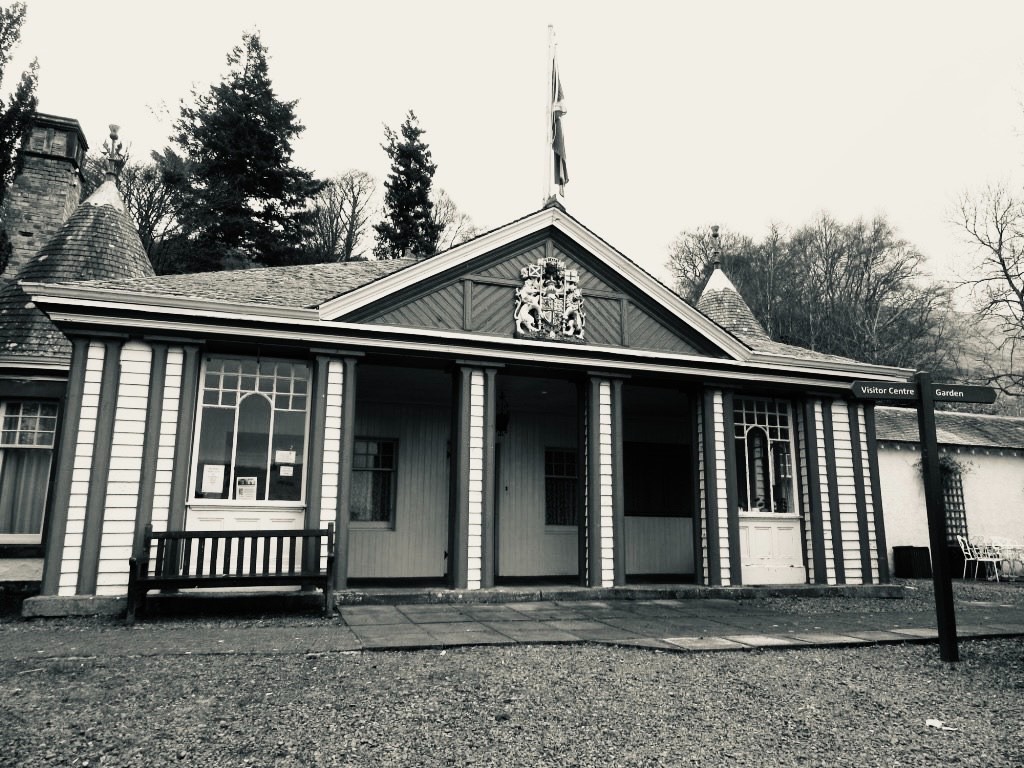

The Pavilion
The later pavilion building represents another layer in the well’s legacy — a moment when sacred tradition, social life, and architectural expression came together. Designed to house and frame the well, the structure reflects changing attitudes toward health, leisure, and public gathering, while still centring the water itself.
Sir Walter Scott’s literary engagement with St Ronan’s Well brought the site into national consciousness. In St Ronan’s Well, Scott used the setting not simply as a backdrop, but as a lens through which to explore social conformity, marginalisation, illness, reputation, and the tensions between centre and edge — themes that resonate strongly with the site’s deeper history.
Through Scott’s work, the well became a place where social boundaries blurred, where those considered “in between” could be observed more clearly, and where the healing of body and society were held in uneasy balance. Literature, architecture, and landscape combined to add yet another dimension to the site’s meaning.


St Ronan's Well & Water Co Ltd
In 1896, the St Ronan's Well Mineral Water Co. was established to revitalise the site, constructing a new pavilion with baths and a pioneering bottling plant. This facility became the first in the United Kingdom to bottle pure mineral water and the first in Scotland to produce carbonated mineral water.
The company's reputation grew to the point where it received a Royal Warrant from King George V, supplying mineral water to the highest levels of British society. This commercial success — rooted in the site's unique natural resource — demonstrated that St Ronan's Wells could sustain both sacred function and economic vitality.
Operations ceased during World War II, and the site eventually passed to local council ownership. But the legacy of ethical commercialisation in service of place endures — a model we are committed to reviving.
© 2025. All rights reserved.